


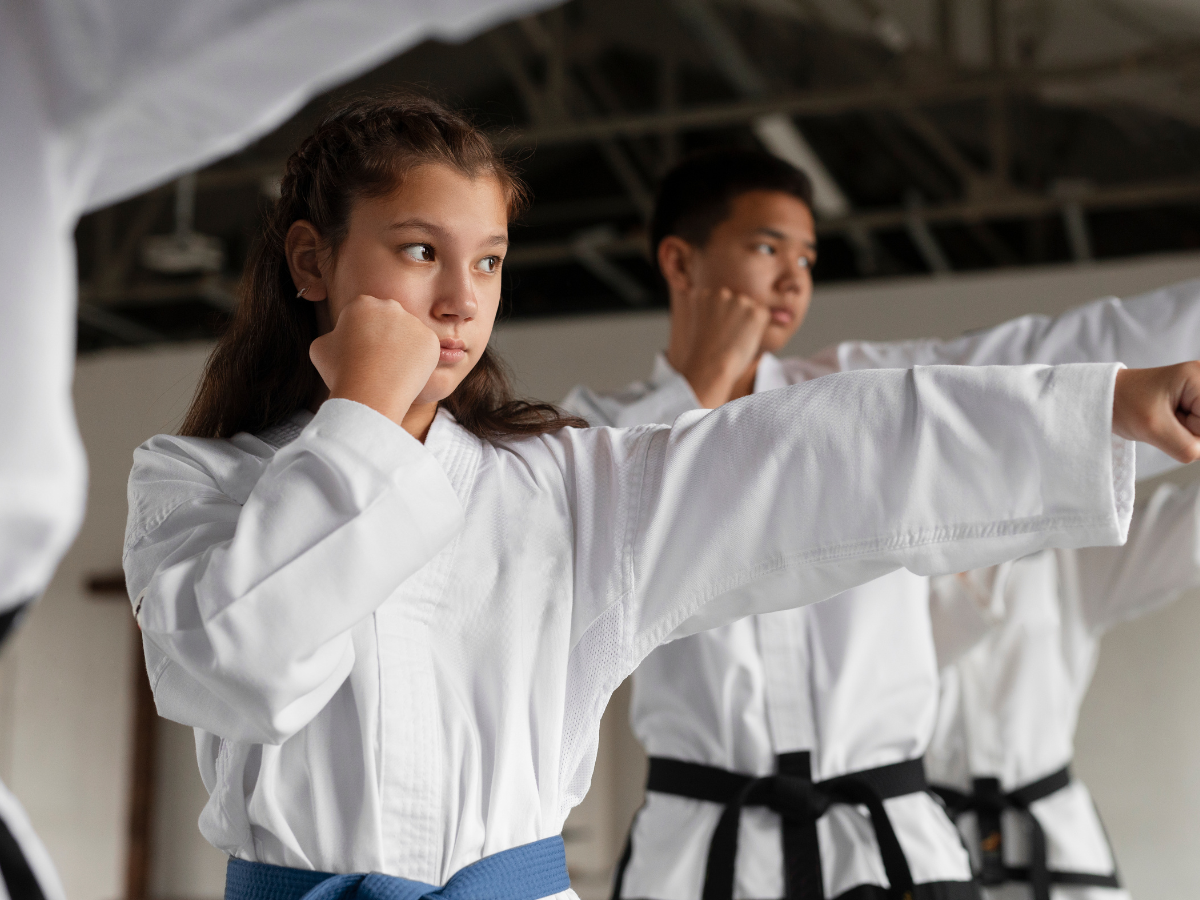
Martial arts are as old as the world though, not necessarily as a defense mechanism but rather as a means of discipline, concentration, and self-esteem. Parents in the world today are resorting to martial arts for kids as an activity that is much more than just physical training. Beginning with karate and taekwondo, then judo and Brazilian jiu-jitsu, martial arts impart in the lives of children life skills that define their character, academic success and emotional stability.

We will also discuss the positive benefits of martial arts on children, the ways in which training in martial arts helps children in both academics and social growth, and how taking your child to martial arts may be one of the best decisions you will ever make.
What is Martial Arts for Kids?
Martial arts for kids is a term used to refer to the specific program that is created to fit children, usually in the range of 4 to 16 years. These programs are made to match the physical and psychological maturity of children with emphasis on fitness, discipline and respect. Martial arts classes among kids do not focus on the same training goals as with adults, focusing more on fun, teaching in teams, and building the skills gradually.
Popular styles include:
- Karate -Trains discipline, respect and punching.
- Taekwondo -Specializes in high kicks, flexibility and Olympic sparring.
- Judo -Focuses on throws, balance and defense methods.
- Brazilian Jiu-Jitsu (BJJ) -Develops confidence by grappling and ground defense.
- Kung Fu -Increases body control and coordination using the traditional movements.
The styles differ, though the principles are the same: children are provided with confidence, focus, and discipline.
Benefits of Martial Arts for Children
The most common question parents put across is; why should I take my child to martial arts? The solution is in the extensive physical, mental and emotional advantages. The following are some of the most significant benefits of martial arts for children:
1. Physical Fitness and Health
Children are spending hours on the internet and watching TV, which causes them to live a sedentary life. Martial arts enable children to be active as well as enhance strength, stamina, flexibility, and coordination. Consistent training increases heart health, improves muscle core, and improves overall fitness.
2. Discipline and Respect
Respect towards Instructors, peers and self is one of the fundamental teachings in martial arts. Bowing, which is taught through organized routines, bowing and practicing daily teach kids the discipline of themselves and the need to respect authority.
3. Improved Focus and Concentration
Concentration and focus has been known to be a determinant of academic success. The martial arts training also teaches the children to be attentive, obey directions, and be accurate in performing the movements. Such skills are easily transferred to school work and home work.
4. Self-Confidence and Self-Esteem
Every achievement in martial arts such as acquiring a new belt and mastering a move will increase the confidence of the child. Children take pride in their accomplishments and this builds their self-worth and makes them take up challenges, both in and out of the classroom.
5. Self-Defense and Safety Awareness
Although the martial arts focus on conflict prevention, they also provide the children with self-defense practices. This information gives the children and the parents the peace of mind that they can defend themselves should the need arise.
6. Emotional Regulation
Children are taught how to overcome anger and frustration with the help of sparring with control, breathing exercises, and attention to the mind. Kids are more able to deal with stress with martial arts, which teaches them to remain calm.
7. Social Skills and Teamwork
Kids martial arts training is done in groups, partner activities, and team building activities. Such interactions develop communication skills, collaboration and leadership and children become more socially confident.
Also Read : The Ultimate Guide to Various Entertainment Options
Kids Martial Arts Training: What to Expect
When parents think of martial arts training of kids, they are always wondering how the classes are. Let’s break it down:
Age-Appropriate Programs
- Preschool (4-6 years old): Focus attention is on fun, movement and simple skills such as balance and coordination.
- Children (7-12 years old): The training becomes more organized, disciplined, technical, and teamwork is stressed.
- Teens (13 16): New skills, sparring and leadership are introduced.
Class Structure
A common children martial arts lesson is composed of:
- Warm-up (stretching, jumping jacks, easy jog, etc.)
- Teaching (punches, kicks, stances, grappling techniques)
- Practices and partnering (learns how to work with others instills confidence)
- Games and amusement (so that children are not bored)
- Reflection and cool-down (finishing off with respect and gratitude rituals)
Safety First
The parents usually have a concern with injuries. But martial arts schools are concerned with safety. The trainers are educated to oversee and make certain of proper technique and promote protective equipment where needed.
Academic Impact of Martial Arts for Kids
Do you even know that kids can enroll in martial arts for kids and improve their performance in school? Research indicates that children who exercise on a regular basis tend to be more able to show:
- Concentration: It is important to be focused during practice and this is transferred to classroom attentiveness.
- Memory abilities: During the process of learning new forms and techniques, memory is enhanced.
- Discipline: Always obeying the rules in martial arts is similar to obeying school rules.
- Learning confidence: It seems that when children manage to conquer martial arts, they lose fear of learning problems.
Life Skills Gained Through Martial Arts
In addition to education and physical health, children martial arts classes impart the necessary life skills:
- Goal Setting: Belt systems encourage the kids to set and accomplish goals.
- Persistence: Children are taught that success is time and effort.
- Leadership: Juniors can be helped by older students and become responsible and develop leadership skills.
- Conflict Resolution: Martial arts focus on the need to de-escalate and employ self-defense as a last resort.
Also Read : Top Fastest-Growing Industries for Entrepreneurs in 2024
Choosing the Right Martial Arts School for Your Child
Not all schools are the same. The following are to be considered when choosing a program on which you can send your child to:
- Credential of Instructors -Certified experienced teachers who teach children.
- Size of class– Smaller classes are a guarantee of individual attention.
- Atmosphere -A favorable, supportive climate that fosters development.
- Style – Select the martial art that matches the interests of the child including his or her personality.
- Trial Classes– Numerous schools have free trial sessions where parent and children can sample the environment before they commit.
Tips for Parents Supporting Kids Martial Arts Training
- Promote uniformity -Frequent attendance develops discipline and proficiency.
- Praise small victories – Every belt or award increases self-confidence.
- Home practice – Ask children to practice outside of the classroom.
- Balance with school -Make martial arts an adjunct and not a substitute to academic activities.
- Be a role model -Take an interest in how your child is progressing and go to events.
Conclusion
When you put your martial arts for kids, you are not just getting yourself an extracurricular activity, but you are also investing in the physical well-being of your children, their emotional stability, their performance at school, and their personalities. The benefits of martial arts for children are numerous, as it leads to a better concentration and confidence and to other fundamental aspects of life such as discipline and perseverance.
Kids martial arts training teaches children about the value of respect, hard work and resilience, which they will remain with their entire lives. Martial arts can be an experience of transformation whether your child is shy, hyperactive, or they just need to be structured.
Martial arts could be the answer to you as a parent, in a bid to find an activity that will help you create strong, focused and confident kids.