



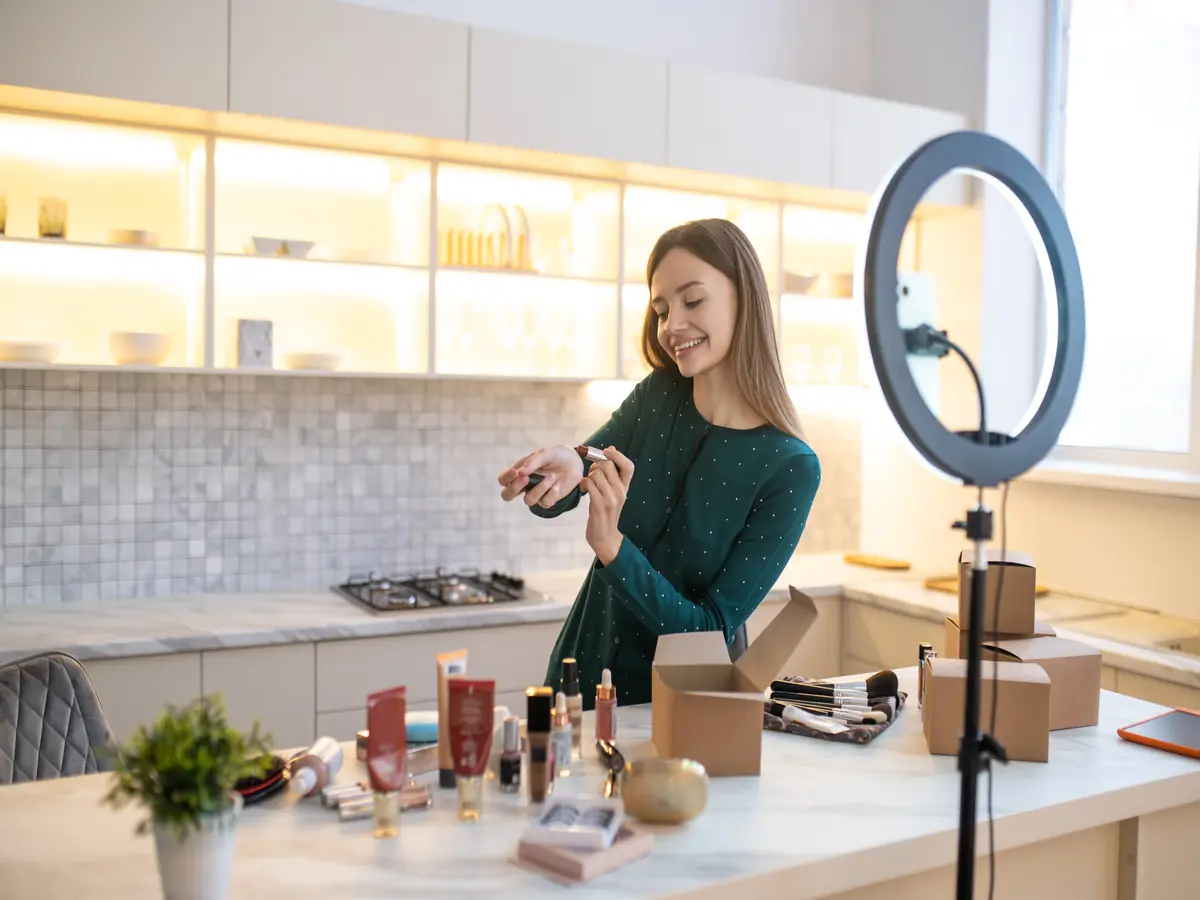
Over the past years, the beauty industry has undergone a significant revolution due to the rapid growth in beauty technology. Previously, innovative devices such as microcurrent machines, LED light masks and radio frequency devices were only available in the luxury spas and professional clinics but today they are made available to the consumer to use in their own comfort of their homes. The modern market is full of beauty devices, skincare devices, beauty tools, skin care tools, facial devices, and anti-aging devices – all of which boast of transformative outcomes with frequent use.

However, with the glut of these products on shelves and online shop fronts, a major question arises, do at-home beauty tech gadgets really justify the price? We will dive deeper into this issue, unraveling the advantages, drawbacks and the general worth of investing in beauty technology in order to make a personal skincare routine.
A New Era of Skincare: The Rise of Beauty Technology
Beauty technology has started as a form of novelty but has transformed into a form of norm in the past decade. Now consumers have the option of the high-powered beauty gadgets that can provide them with different degrees of results, such as deep cleansing and exfoliation, muscle toning, and collagen stimulation. Previously only available to dermatologists or estheticians, it is now a product category that is accepted by ordinary skincare fans.
Homecare machines that formerly cost hundreds of dollars per treatment session to manufacturers (such as laser therapy, microdermabrasion, or light therapy) have been slimmed down and re-invented as skincare devices at home. This has caused a rise in consciousness and the desire towards personal beauty devices such as LED masks, ultra-sonic exfoliators, and home micro-needling pens.
However the cost of convenience and accessibility is high. There are others that are priced even above several hundreds of dollars and many consumers will question themselves whether the journey is worth the money in the long run.
Understanding the Types of At‑Home Beauty Tech
It is beneficial to know the most frequently occurring categories of at-home beauty technology gadgets before making a judgment on whether it is cost-worthy.
1. LED Light Therapy Devices
Wavelengths of light are used in LED light therapy equipment to treat a variety of skin issues. For example:
- Red light is commonly sold as an anti aging device and is thought to stimulate collagen and lessen wrinkles.
- To treat acne causing bacteria, blue light is relied upon.
These are facial devices and can either be in the form of masks or handheld wands, which provide users with a non-invasive form of treatment, which they can apply multiple times a week.
2. Microcurrent Tools
Microcurrent beauty devices produce low-level electrocution currents that are intended to stimulate muscles on the face. This aims to enhance muscle tone and elevate, more sculpted look – otherwise known as a non-surgical facelift.
3. Sonic and Vibrating Cleansing Devices
Sonic cleansing brushes are often sold as high-tech skin care products, which is why they are better by removing makeup, oil, and dead skin using gentle sound vibrations in the pores than manual cleansing.
4. Radio Frequency (RF) and Ultrasound Devices
These cosmetic machines are meant to tone the skin using heat, or soundwave treatments in order to tighten it. Tightening and contouring In the clinics, RF and ultrasound treatments are applied to achieve this effect; at home, DIY equivalents attempt to do so, but with different levels of intensity.
5. Microdermabrasion and Exfoliation Tools
Home microderm machines and peeling instruments provide additional mechanical ways of exfoliating off dead skin cells and giving the skin a more smooth appearance.
Also Read : 5 Reasons Every Spa Needs LED Light Therapy
Pros of Investing in At‑Home Beauty Tech Gadgets
1. Convenience and Accessibility
Convenience can be regarded as one of the greatest benefits of at-home beauty equipment. Unless you have appointments, travel time and clinic schedules, you do not have to spend time in clinics on your skincare, your skincare routine occurs on your terms. This is an important advantage to busy individuals and parents.
2. Long‑Term Cost Savings
Initial expenses of quality beauty technology might be expensive, but this might save in the long-term. As an illustration, a regular salon or spa visit can be simply more costly than a good facial device once one has a couple of sessions. When a device can serve years and provide consistent results, then you can pay low prices on similar benefits.
3. Personalized Skincare Routine
There are skincare devices that can be customized. The types of tools that users select are in accordance with their particular concerns: hydration, age-related fine lines, hyperpigmentation, or acne and change the frequency to meet their needs.
4. Increasing Effectiveness and Innovation
The technology behind the current beauty devices keeps on advancing. Newer technology is usually more efficient than older ones, since there is research and consumer response to the new technology, and it is taken into account when developing new equipment. Indicatively, there are recent versions of LED masks that have several wavelengths and more safety measures than the initial ones.
5. Empowerment and Education
Your personal skin care tools will make you even more interested in your skincare. It is stated by a significant number of users that the investment in technology gives them the incentive to learn more about their skin, adhere to routines more closely, and possess a healthier lifestyle.
Cons and Limitations: What to Watch Out For
1. Results Vary Widely
In comparison with clinical treatments, which are provided by trained professionals, at-home beauty devices do not usually provide so obvious results. Dramatic improvements can be observed in some of the users, whereas little change can be observed in others. Such variables as types of skin, regularity of usage, quality of the product, and personal biology have an impact.
2. Cost vs. Quality Dilemma
The skincare devices are not all created equal. Lower-priced devices can look attractive, but can be of lower quality because they have less power, or because they are poorly designed. On the other hand, luxury devices which are more efficient are also costly, and this poses a question of affordability.
3. Learning Curve and User Error
Appropriate application of beauty instruments usually needs learning and proper practice. Lack of guidance would lead to improper or inconsistent use of devices by the user and minimize the potential gains. Overuse or misuse of the product may result in irritation or sensitivity of the skin in certain instances.
4. Not a Complete Replacement for Professionals
Home based devices may be applied to supplement the professional treatments but do not often substitute the entire treatment. More complicated skin issues or serious anti-aging services require dermatologists and estheticians to provide more powerful treatments supported with expertise.
5. Maintenance and Longevity Concerns
Certain beauty devices would need servicing such as changing heads, batteries, or cleaning products. These additional costs may build up over time and reduce the financial payoff in the long run.
Consumer Considerations: How to Decide What’s Worth It
These factors should be considered when considering whether to pay extra money on a particular beauty device:
1. Your Skin Goals
Do you attack fine lines and wrinkles? Do you struggle with acne? Do you want to have a better skin texture or a better cleaning effect? Be specific about what you want to achieve- this will make you select the right facial gadgets and will also keep you out of unnecessary expenses.
2. Research and Reviews
Discover market reviews, clinical trials, and the opinions of the experts. Good quality beauty technology companies also tend to support their products using research information which show that they are safe and effective. Find confirmed reviews and pre-and post-findings of actual users.
3. Professional vs. At‑Home Balance
In case you have a health issue or condition of seriousness (such as cystic acne, deep scarring, sagging skin), you should consult a dermatologist prior to making an investment in devices at-home. Within other situations, a combination of professional care and subsequent at-home maintenance devices gives the most positive results.
4. Budget and Long‑Term Use
It is not only what it costs at the beginning. How long will the device last? Do they have any recurrent expenses (replacement component, pads, chargers)? Will you make regular use of it to warrant the purchase?
5. Safety and Skin Sensitivity
Make sure that the device is safe to your type of skin. Delicate skin does not respond equally to technologies. Begin small, act according to the instructions of the manufacturer and take care of appliances generating heat or raising electrical currents.
Also Read : Waterborne Chemicals Most Water Tests Miss
Real World Examples: What Experts and Users Say
Clinician Perspectives
Dermatologists tend to see home beauty devices as useful accessories – although second in importance to clinical care. Most of the professionals suggest mild tools such as cleansing brushes or LED masks to improve the general skincare of clients who do not come to the clinic regularly. Nevertheless, medical devices that are used at home cannot also substitute medical procedures to treat more profound or severe skin issues, clinicians also warn.
User Experiences
The consumers are not unanimous in their reaction:
- Anti-aging devices and LED masks receive many positive reviews due to their ability to make the skin tone and bright after several months of regular use.
- Sonic cleansing brushes are more effective to other people compared to manual cleansing.
- On the other hand, other users complain of no or minimal change with some of the beauty devices, especially those with low power.
Such ambivalent experiences bring out a valuable lesson, whose outcome is determined by dedication, quality of devices and expectations.
Are At‑Home Beauty Tech Gadgets Worth the Cost?
As the saying goes, the answer is always, it depends.
Home beauty technology devices have genuine benefits in time-saving, personalization, and, in certain instances, in the long-term economic savings. To a great number of users, such gadgets as light mask, sonic cleansing tools, and microcurrent wands can be used to complement current skincare habits and they provide tangible results over time. The most valuable of beauty devices can be offered to the people with definite purposes and routine.
They are, however, not magic solutions. There are tools that yield results that are subtle and need months of dedication. There is the possibility of underperformance of others when they are bought due to a trend or an attractive pack. The efficiency of a given device also depends on the personal skin features as well as adherence to the suggested measures by a user.
Overall, beauty technology is a valuable area to consider, provided it is selected intelligently and supported by the research. When you take a realistic approach to these innovations, do your research, and combine them in a holistic approach to skincare, then at-home devices can be a valuable investment in the health and appearance of your skin.
Final Thoughts: Embrace the Future, But Be Wise
It is a very exciting time of beauty technology where strong tools, previously available in a clinical facility, have been brought to the masses of consumers. On the question of an interest in anti-aging devices, deep-cleaning tools, or highly sophisticated skincare equipment, at-home beauty technology has an answer to it.
To know whether such beauty gadgets are worth the money, it is important to:
✔ Define your personal goals
✔ Research product quality
✔ Understand limitations
✔ Name Use always and properly
✔ 2-way technology using good skincare essentials (cleansing, hydration, sun protection)
Beauty devices can be more than a fad with the right attitude and choice; it can be an intelligent addition to your beauty collection.